The pair discussed the benefits of introducing exercise later in life.
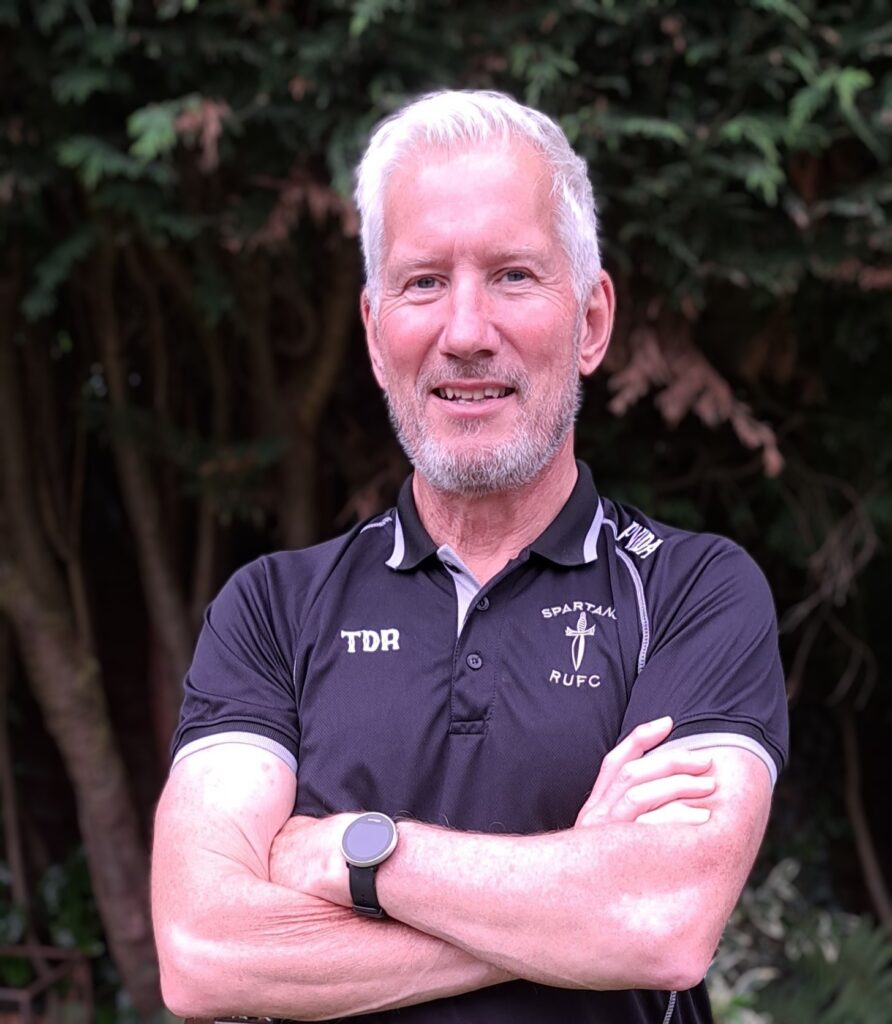
This latest Wednesday Wellness article follows my chat with Personal Trainer and Sports Therapist, Tim Rich.
I have known Tim for a little over five years. He was recommended to me – by a friend who had used his services and got back onto the rugby field following a back injury – after I injured my rotator cuff. He has helped me through my (still slightly dodgy) shoulder and subsequent hip replacement, and we keep going with functional training so I can be a fit old person later in life!
We focussed on fitness for health rather than fitness in disciplines, like running, power lifting and thrashing yourself in the gym. Regular exercise is crucial for long-term health and longevity – functional fitness training, focussed on strength and joint function, is crucial.
When we age, we need to be able to get up and down stairs, off the sofa, out of bed, off the floor if we fall – even better, to stop ourselves falling in the first place! You don’t have to run marathons, pump heavy weights or be a yoga enthusiast to reap huge benefits from regular exercise.
As I often allude to, consistency is key. A couple of key training sessions a week is far more effective over time than throwing yourself at a high-intensity gym class and then collapsing in a snotty heap, never to try again!
Regular weight-bearing exercise strengthens bones, and has even been shown to ward off dementia!
With nutritional support and a bit of general motivation, Tim is perfectly placed to help guide you – even if you have a medical issue. There is no reason not to exercise, even with injuries and illnesses, as long as you have the right guidance – which Tim is fully qualified to provide.
Tim described the show as “a great conversation focused on how exercise can be safely and effectively adapted for people managing injury, illness or an underlying medical condition”.
We discussed the benefits of introducing exercise later in life, and how it can be both empowering and achievable with the right approach. The key is keeping exercises functional, repeatable and progressive, helping people build confidence and real‑world strength.
Getting out of breath is a positive sign that the body is being challenged in a healthy way, and learning to work with manageable discomfort is part of improving resilience. Some post‑exercise soreness is normal and simply shows that effort has been put in – as long as recovery happens within one-to-three days, it’s a sign of productive work rather than a problem.
For support, guidance, or to start a conversation, get in touch via Facebook, Tim Rich PT (Move4Health), or Instagram, @move4health.
And as ever, if you want to get in touch with me, find me on all the socials or at www.sallywagstaff.co.uk.