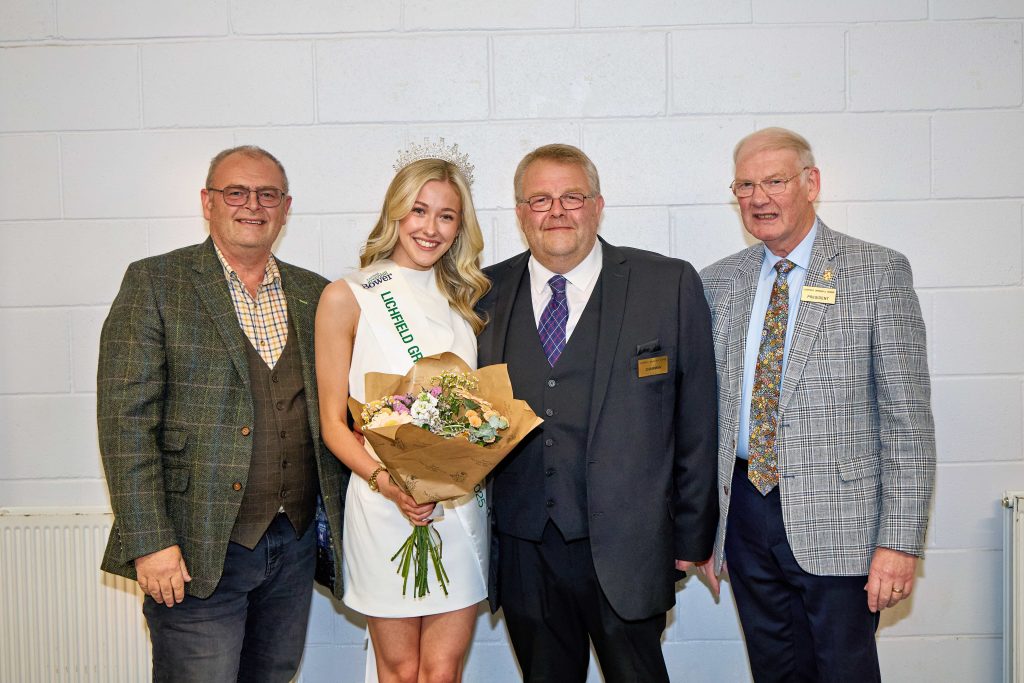
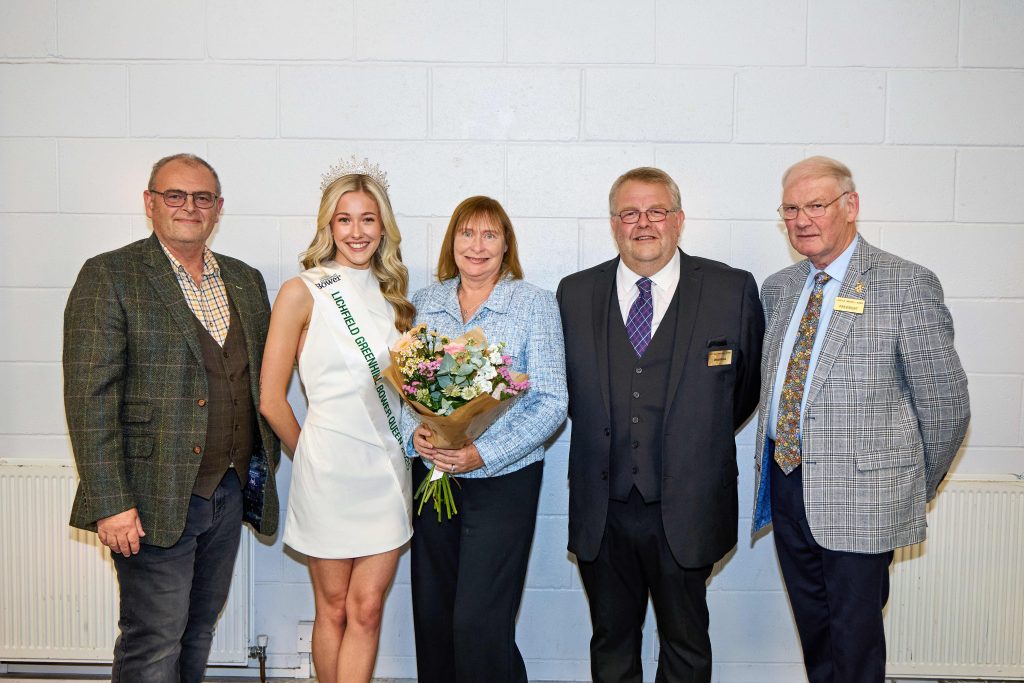
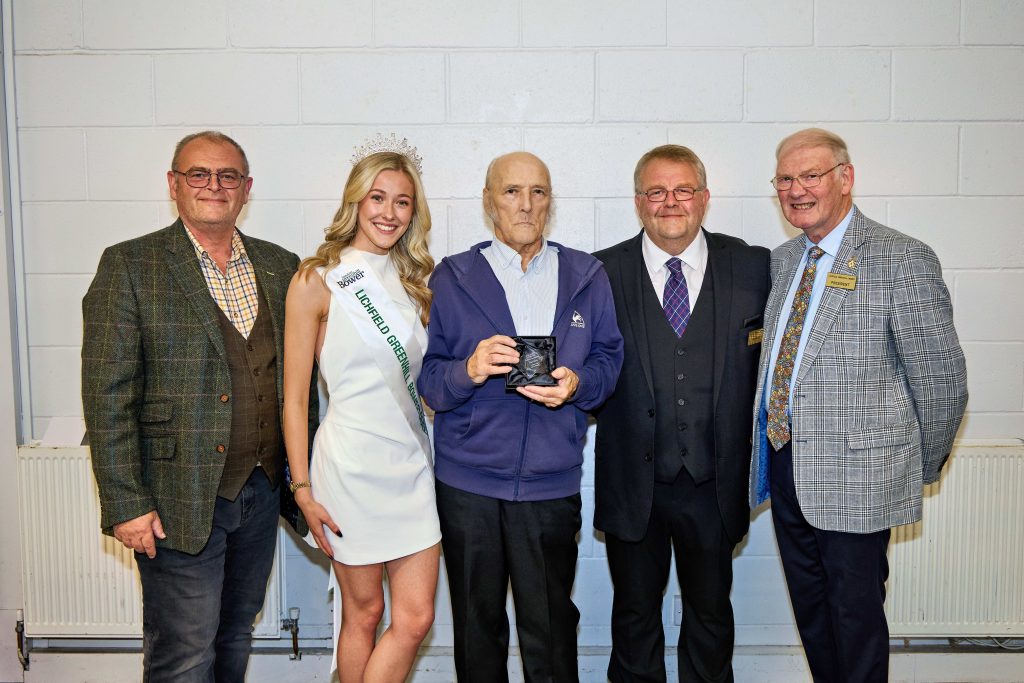
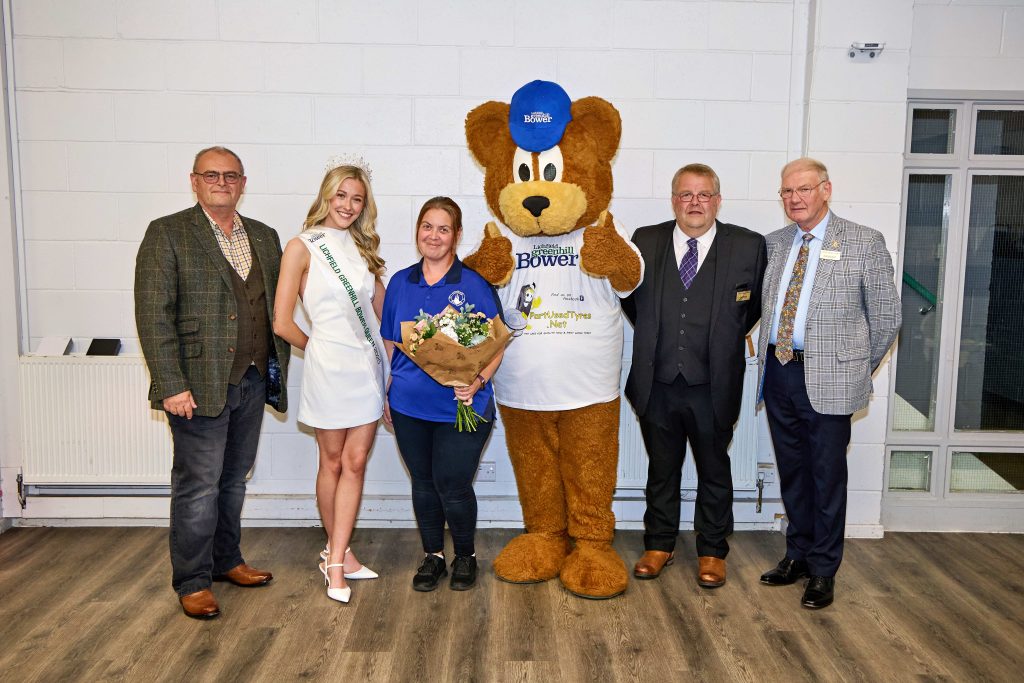
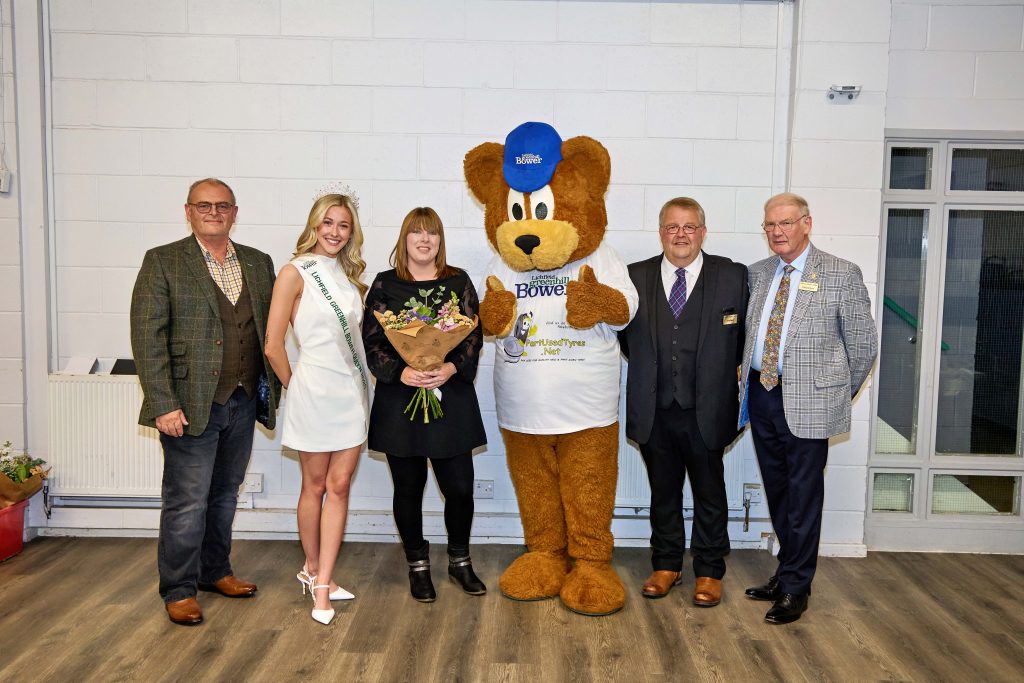
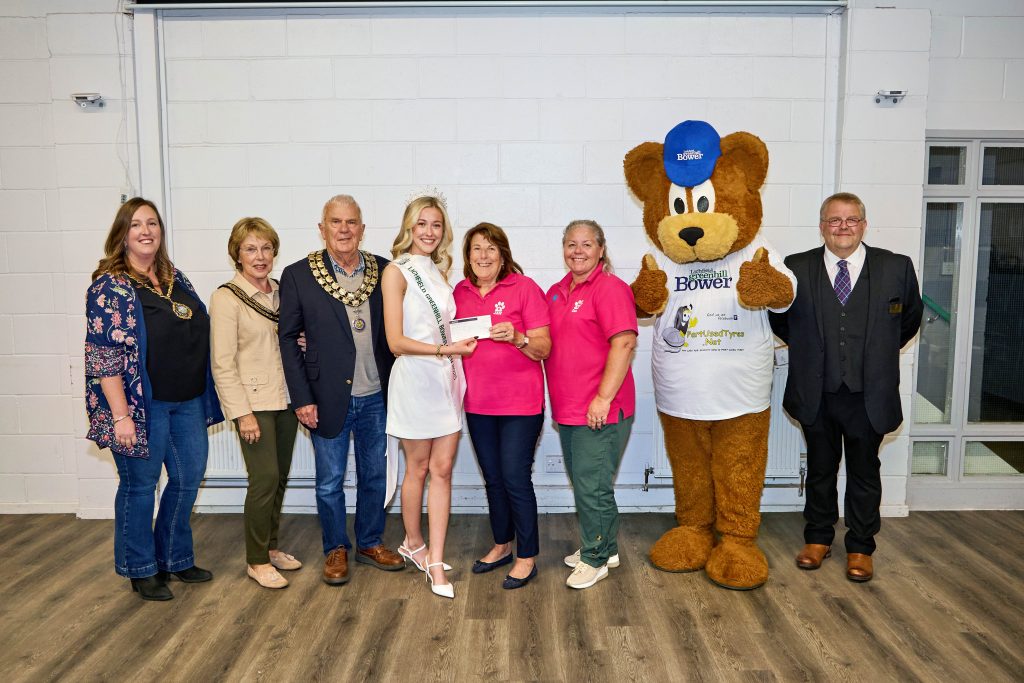
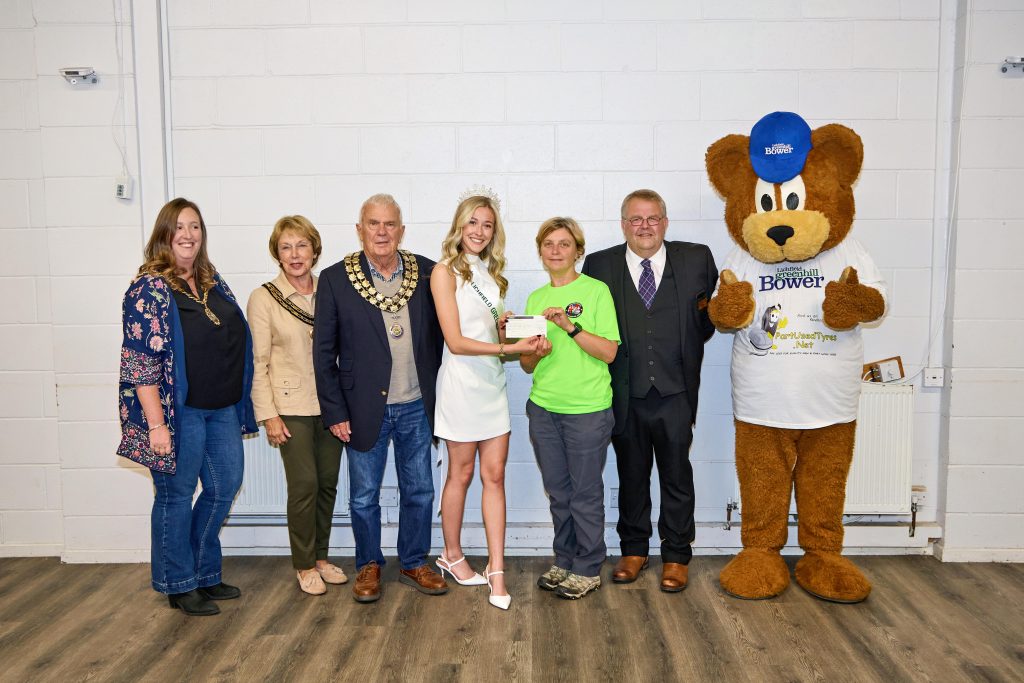
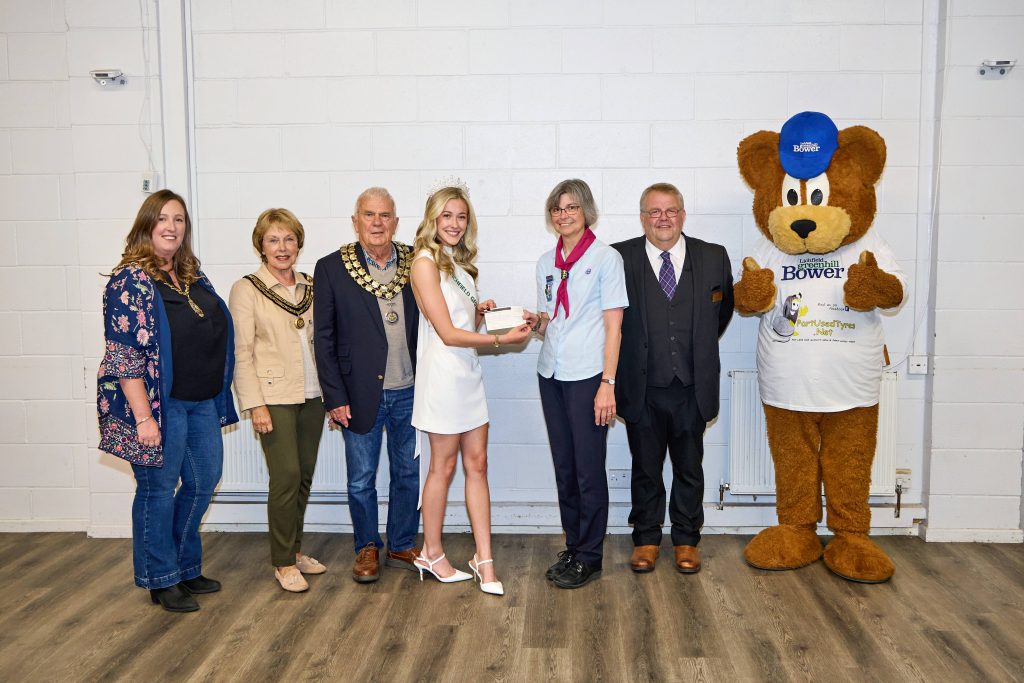
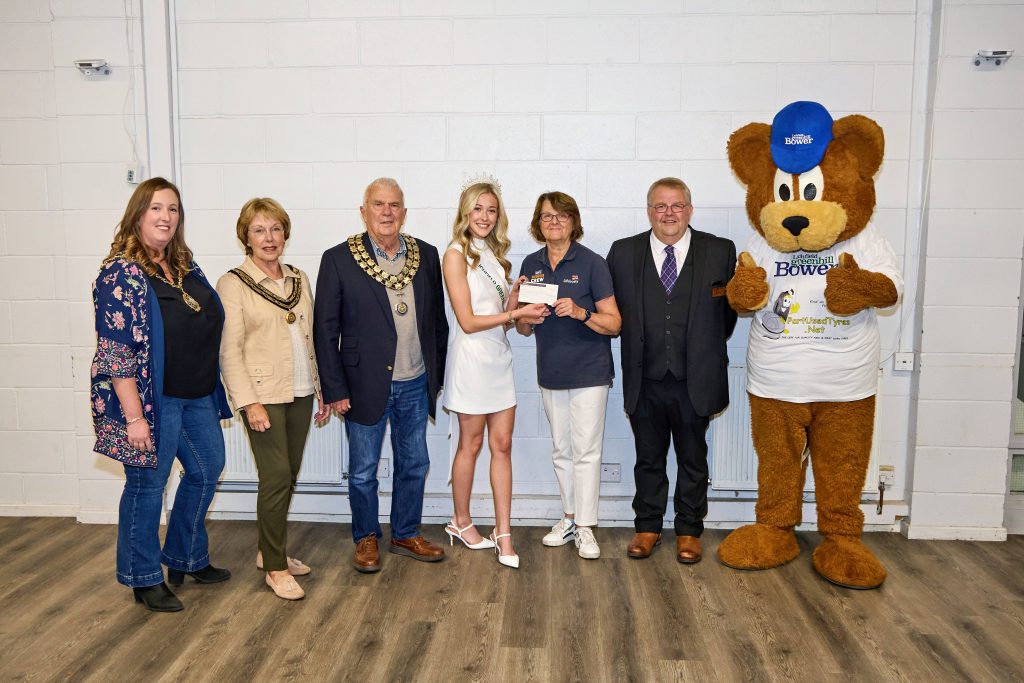
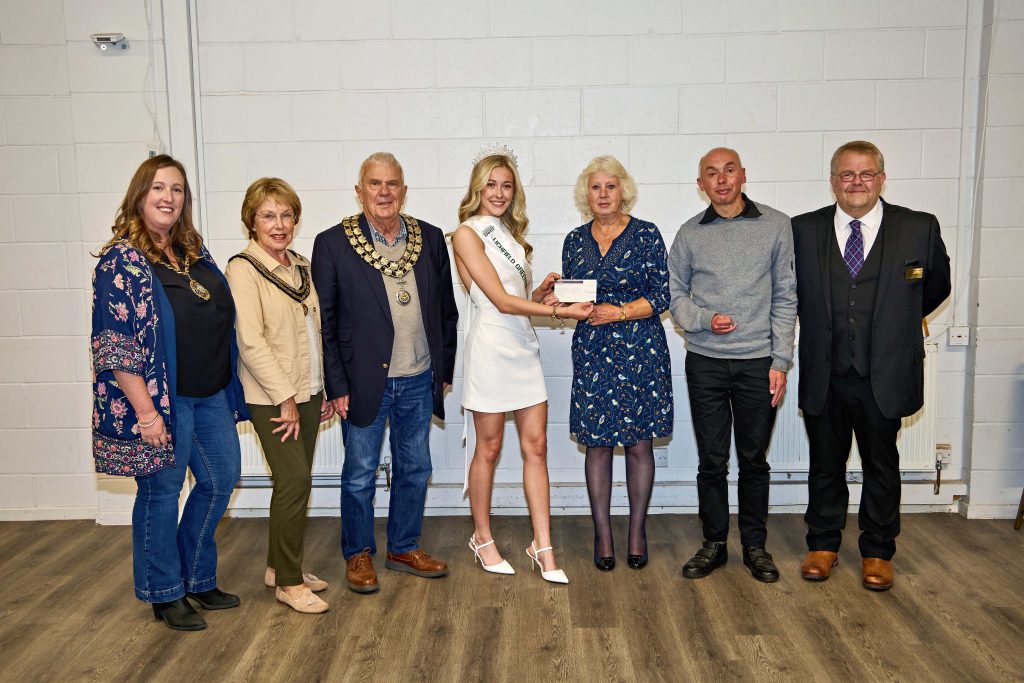
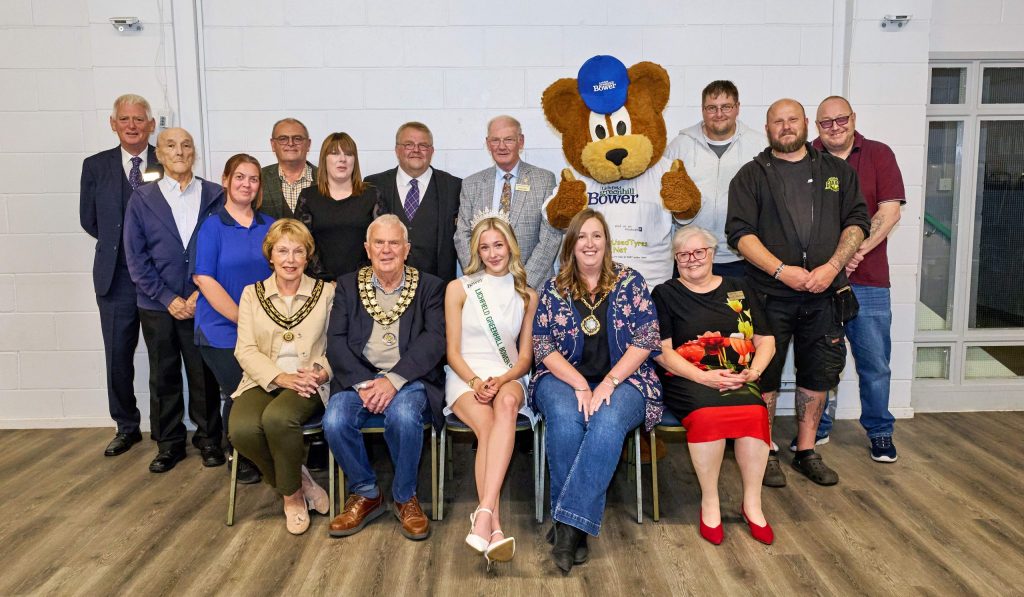
Cheques were presented on 5 September to a wide array of organisations, confirming the Bower’s significance not just as a cultural event, but as a crucial pillar of community support.
Each year, the Bower Parade becomes a massive collection effort, with selected local charities permitted to gather donations along the route. The rules are simple and fair: 10 charities are chosen from applicants, each allowed up to six collection buckets. The total funds are then shared equally between all the filled buckets used, ensuring maximum benefit for the organisations who put in the effort on the day.
This year’s successful recipients represent the breadth of vital work happening across the district, from youth development to emergency services:
| Category | Benefiting Organisations |
| Scouting & Guiding | Whittington Scouts, 7th Lichfield Scouts, 7th Lichfield Guides |
| Welfare & Support | Churches Together, Andy’s Man Club, Grace Cares |
| Emergency & Volunteer | RNLI, Animal Rescue Volunteers |
| Cadets & Military | Air Training Corps, Army Cadets |
| Community Service | Lions International, Rotary Club, Roundtable |
| Special Projects | Sacred Heart, Liberty Jamboree |
The funds raised through these collections are a powerful testament to the community’s spirit and commitment to helping those who serve others.
The modern-day collection efforts stand in wonderful contrast to the Bower’s ancient, almost thousand-year history. Held traditionally on Spring Bank Holiday Monday, the event’s roots are firmly in the military past of the city.
The Bower originated with the Court of Arraye (or View of Men at Arms), a royal custom dating back to the reign of King Henry II (1154-1189). It was an order for all able-bodied men to be inspected, ready for the defence of the realm. The men would assemble at a decorated “Bower House” on Greenhill, receive free food and drink, and then march in a grand procession accompanied by music and decorated figures (the original ‘posies’).
While the military necessity faded away by the late 17th century, the people of Lichfield enjoyed “Bower Day” so much that they refused to let the celebration stop. This fierce loyalty is why the Bower continues today, featuring a humorous version of the Court of Arraye at the Guildhall, followed by the crowning of the Bower Queen, and the spectacular parade of bands and decorated floats that everyone knows and loves.
The Lichfield Bower remains a powerful blend of military tradition, civic ceremony, family fun, and, as proven by this latest round of donations, outstanding community fundraising.